

Leadership in modern nursing home systems has become more important than ever. As healthcare environments grow more complex, leaders must balance patient care, staff well-being, and operational efficiency. One emerging concept that plays a critical role in shaping these systems is Sheth Jeebun healthcare operations management. This approach emphasizes structured leadership, efficiency, and compassionate care.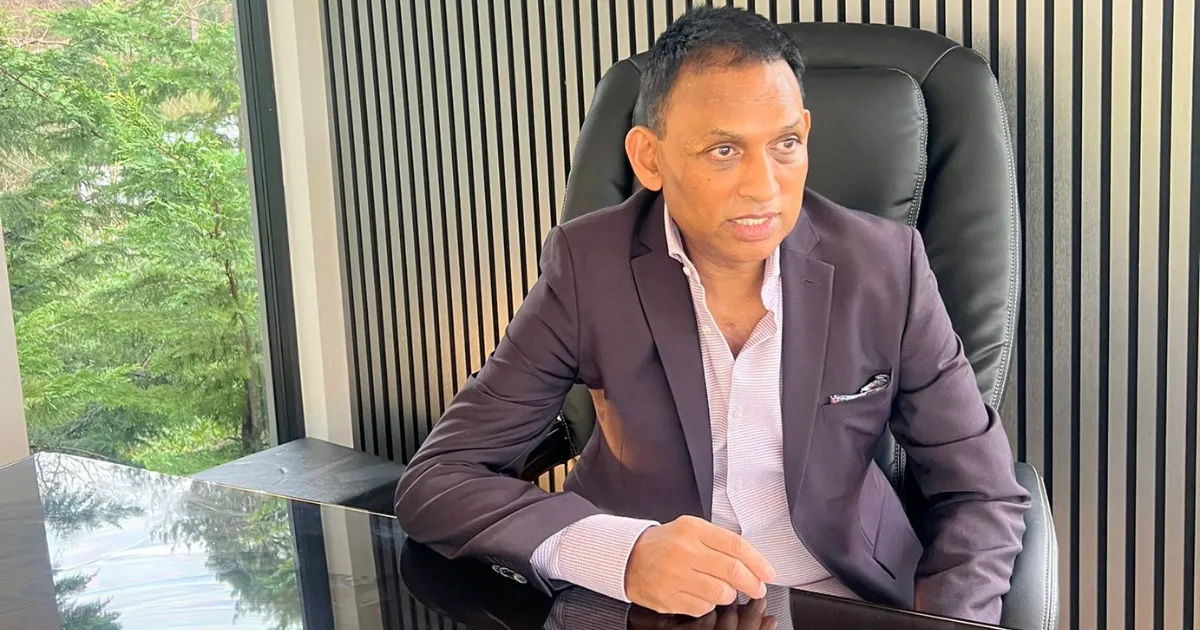
In today’s nursing homes, leaders are not just administrators. They are visionaries, team builders, and problem-solvers. They must ensure high-quality care for elderly residents while also managing resources wisely.
The integration of Sheth Jeebun healthcare operations management helps leaders create systems that are both effective and humane.
This guide explores leadership approaches in modern nursing home systems. It explains how leadership styles, strategies, and management principles influence patient outcomes and staff satisfaction.
The Changing Landscape of Nursing Home Leadership
Modern nursing homes are very different from those in the past. Today, they focus on personalized care, safety, and dignity for residents. Leaders must adapt to these changes.
One major shift is the move from task-based care to person-centered care. This means understanding each resident’s needs, preferences, and history. Leaders must guide their teams to deliver care that respects individuality.
Another important change is the use of technology. Electronic health records, monitoring systems, and communication tools require leaders to be tech-savvy. Sheth Jeebun healthcare operations management supports this by encouraging structured processes and efficient systems.
Leaders must also deal with staffing challenges. Shortages of trained professionals make it harder to maintain high standards. Effective leadership ensures that teams remain motivated and supported.
Core Leadership Styles in Nursing Homes
Transformational Leadership
Transformational leaders inspire and motivate their teams. They focus on long-term goals and encourage innovation.
In nursing homes, this style helps create a positive environment. Staff members feel valued and are more likely to provide high-quality care. Sheth Jeebun healthcare operations management aligns with this approach by promoting continuous improvement.
Transactional Leadership
Transactional leadership focuses on structure, rules, and rewards. Leaders set clear expectations and monitor performance.
This approach is useful in maintaining safety and compliance. Nursing homes must follow strict regulations, and transactional leadership ensures these standards are met.
Servant Leadership
Servant leaders prioritize the needs of others. They focus on supporting staff and residents.
This style is especially important in nursing homes. When leaders care for their teams, staff are more compassionate toward residents. Sheth Jeebun healthcare operations management supports this by emphasizing people-centered operations.
Democratic Leadership
Democratic leaders involve their teams in decision-making. They encourage feedback and collaboration.
This approach builds trust and improves teamwork. In nursing homes, it helps create a sense of community among staff.
Importance of Communication in Leadership
Effective communication is a key part of leadership. Nursing home leaders must communicate clearly with staff, residents, and families.
Good communication reduces errors and improves care quality. Leaders must ensure that everyone understands their roles and responsibilities.
Sheth Jeebun healthcare operations management highlights the importance of structured communication systems. This includes regular meetings, clear documentation, and open channels for feedback.
Leaders should also practice active listening. This means paying attention to concerns and responding thoughtfully. When staff feel heard, they are more engaged and motivated.
Building Strong Teams in Nursing Homes
Teamwork is essential in nursing homes. Caregivers, nurses, doctors, and support staff must work together.
Leaders play a key role in building strong teams. They must create a culture of respect and collaboration.
Training and development are important. Leaders should provide opportunities for staff to learn and grow. Sheth Jeebun healthcare operations management encourages continuous education and skill development.
Recognition is also important. When staff are appreciated, they are more likely to perform well.
Ethical Leadership in Nursing Home Systems
Ethical leadership is critical in healthcare. Nursing home leaders must make decisions that protect residents’ rights and well-being.
This includes respecting privacy, ensuring safety, and providing fair treatment. Leaders must also handle difficult situations, such as end-of-life care, with compassion.
Sheth Jeebun healthcare operations management supports ethical decision-making by promoting transparency and accountability.
Leaders must set an example. Their behavior influences the entire organization. When leaders act ethically, staff are more likely to follow.
Role of Emotional Intelligence in Leadership
Emotional intelligence is the ability to understand and manage emotions. It is a key skill for nursing home leaders.
Leaders with high emotional intelligence can handle stress, resolve conflicts, and build strong relationships.
This is especially important in nursing homes, where staff deal with emotional situations daily. Sheth Jeebun healthcare operations management emphasizes emotional awareness as part of effective leadership.
Leaders should practice empathy. This means understanding the feelings of others and responding with care.
Managing Change in Nursing Homes
Change is constant in healthcare. Leaders must be able to manage it effectively.
This includes adapting to new regulations, technologies, and care practices. Change can be challenging, but good leadership makes it easier.
Sheth Jeebun healthcare operations management provides a framework for managing change. It focuses on planning, communication, and evaluation.
Leaders should involve their teams in the change process. This reduces resistance and builds support.
Quality Improvement and Leadership
Improving care quality is a top priority in nursing homes. Leaders must continuously look for ways to enhance services.
This includes monitoring performance, collecting feedback, and implementing improvements.
Sheth Jeebun healthcare operations management supports quality improvement through data-driven decision-making.
Leaders should set clear goals and measure progress. This helps ensure that improvements are effective.
Technology and Leadership in Nursing Homes
Technology plays a major role in modern nursing homes. Leaders must understand and manage these tools.
This includes electronic health records, monitoring systems, and communication platforms.
Sheth Jeebun healthcare operations management encourages the use of technology to improve efficiency and care quality.
Leaders should also provide training. Staff must feel confident using new systems.
Financial Management and Leadership
Nursing homes must manage their finances carefully. Leaders must balance costs with quality care.
This includes budgeting, resource allocation, and cost control.
Sheth Jeebun healthcare operations management helps leaders optimize resources and reduce waste.
Financial stability ensures that nursing homes can continue providing care.
Staff Well-being and Leadership
Staff well-being is essential for quality care. Leaders must support their teams physically and emotionally.
This includes providing a safe work environment, fair schedules, and support systems.
Sheth Jeebun healthcare operations management emphasizes the importance of staff satisfaction.
When staff are happy and healthy, they provide better care.
Patient-Centered Leadership
Patient-centered care is the foundation of modern nursing homes. Leaders must ensure that residents’ needs come first.
This includes respecting preferences, promoting independence, and ensuring comfort.
Sheth Jeebun healthcare operations management supports patient-centered approaches by focusing on individualized care plans.
Leaders should involve residents and families in decision-making.
Crisis Management in Nursing Homes
Nursing homes must be prepared for crises. This includes health emergencies, natural disasters, and pandemics.
Leaders must act quickly and effectively in these situations.
Sheth Jeebun healthcare operations management provides tools for crisis planning and response.
Preparation is key. Leaders should develop plans and train their teams.
Training and Development for Leaders
Leadership skills must be developed over time. Nursing home leaders should receive proper training.
This includes management skills, communication, and technical knowledge.
Sheth Jeebun healthcare operations management supports ongoing education and professional development.
Leaders should also learn from experience. Reflecting on challenges helps improve skills.
Cultural Competence in Leadership
Nursing homes serve diverse populations. Leaders must understand and respect different cultures.
This includes language, traditions, and beliefs.
Sheth Jeebun healthcare operations management encourages inclusive practices.
Cultural competence improves communication and care quality.
Future Trends in Nursing Home Leadership
The future of nursing home leadership will continue to evolve. Trends include increased use of technology, personalized care, and data-driven decision-making.
Leaders will need to adapt to these changes. Sheth Jeebun healthcare operations management will play a key role in guiding these developments.
Innovation will be important. Leaders must be open to new ideas and approaches.
Challenges Faced by Nursing Home Leaders
Nursing home leaders face many challenges. These include staffing shortages, financial constraints, and regulatory requirements.
Balancing these factors can be difficult. However, effective leadership makes it possible.
Sheth Jeebun healthcare operations management helps leaders navigate these challenges by providing structured solutions.
Resilience is important. Leaders must stay strong and focused.
Conclusion
Leadership in modern nursing home systems is complex and demanding. Leaders must balance care quality, staff well-being, and operational efficiency.
Different leadership styles, such as transformational, transactional, and servant leadership, all play important roles. Effective communication, teamwork, and ethical decision-making are essential.
The integration of Sheth Jeebun healthcare operations management provides a strong foundation for success. It helps leaders create efficient systems, improve care quality, and support their teams.
As nursing homes continue to evolve, leadership will remain a key factor in their success. Leaders must be adaptable, compassionate, and forward-thinking.
By focusing on continuous improvement and patient-centered care, nursing home leaders can create environments where residents feel safe, respected, and valued.
Ultimately, strong leadership ensures that nursing homes provide not just care, but a true sense of home for their residents.

Leave a Reply